Buying through our links supports The Wrist Journal at no extra cost to you. Learn more.
Open two watch listings and it is very easy to turn the whole thing into a game of Top Trumps. Sapphire crystal beats mineral. Automatic beats quartz. 100 metres of water resistance beats 50. More complications must mean more value. Add enough ticks to the right-hand column and surely you have found the better watch.
Except watches do not really work like that.
I have handled watches that look average on paper and become difficult to take off once they are on the wrist. I have also seen watches with excellent movements, sapphire crystals, impressive water resistance and a spec list long enough to fill half a product page, yet the watch itself somehow leaves you cold. The numbers matter, but they are only part of the story.
That is especially worth remembering in India, where the affordable and mid-range watch market has become brutally competitive. It is now completely normal to find sapphire, automatic movements, solar charging and serious water resistance at prices where those features would once have been unusual. That is great for buyers, but it also means the spec sheet alone has become a worse way to separate a genuinely good watch from one that is simply good at advertising itself.
So what actually makes a watch good?
For us, it comes down to how well the entire thing works together. Design, proportions, finishing, movement, comfort, details and price all have to make sense in the context of what the watch is trying to be.
The Spec Sheet Trap
Specifications are useful. Very useful, in fact. If I am choosing between two watches I will absolutely look at the crystal, movement, water resistance, case dimensions and bracelet construction. Ignoring specifications completely would be just as silly as treating them like a final score.
The problem starts when we assume every specification has the same value on every watch. A sapphire crystal on a ₹7,000 daily beater is a fantastic bonus, but the lack of sapphire does not automatically ruin an otherwise excellent watch. A 200 metre rating matters on a dive watch. It matters a lot less on a slim dress watch that is going to spend its life between an office, a restaurant and the occasional wedding.
The same applies to movements. An inexpensive automatic can make a watch more mechanically interesting, but it also brings lower accuracy than a decent quartz movement, greater sensitivity to how the watch is worn and a need for servicing eventually. If the only reason a brand used an automatic movement was to print the word “AUTOMATIC” on the dial, I am not convinced that is automatically a win.
A good watch is not the watch with the most features. It is the watch where the choices make sense.
1. Proportions Matter More Than the Diameter
A lot of watch shopping starts with one number: case diameter.
People ask whether 38mm is too small, whether 42mm is too large, or what size they should buy for a six-and-a-half-inch wrist. Diameter is useful, but judging fit from diameter alone is a little like judging a pair of shoes from their length and ignoring everything else.
Lug-to-lug distance is often more important because it tells you how far the watch actually stretches across the wrist. Thickness changes how top-heavy a watch feels and whether it slides under a cuff. The shape of the lugs matters too. Short, sharply curved lugs can make a fairly large watch hug the wrist, while long straight lugs can make a smaller case feel awkwardly oversized.
Then there is the dial itself. A 40mm watch with a thin bezel and a huge open dial can look much larger than another 40mm watch with a thick dive bezel. Case shape changes things again. Square and rectangular watches often wear nothing like round watches with similar measurements.
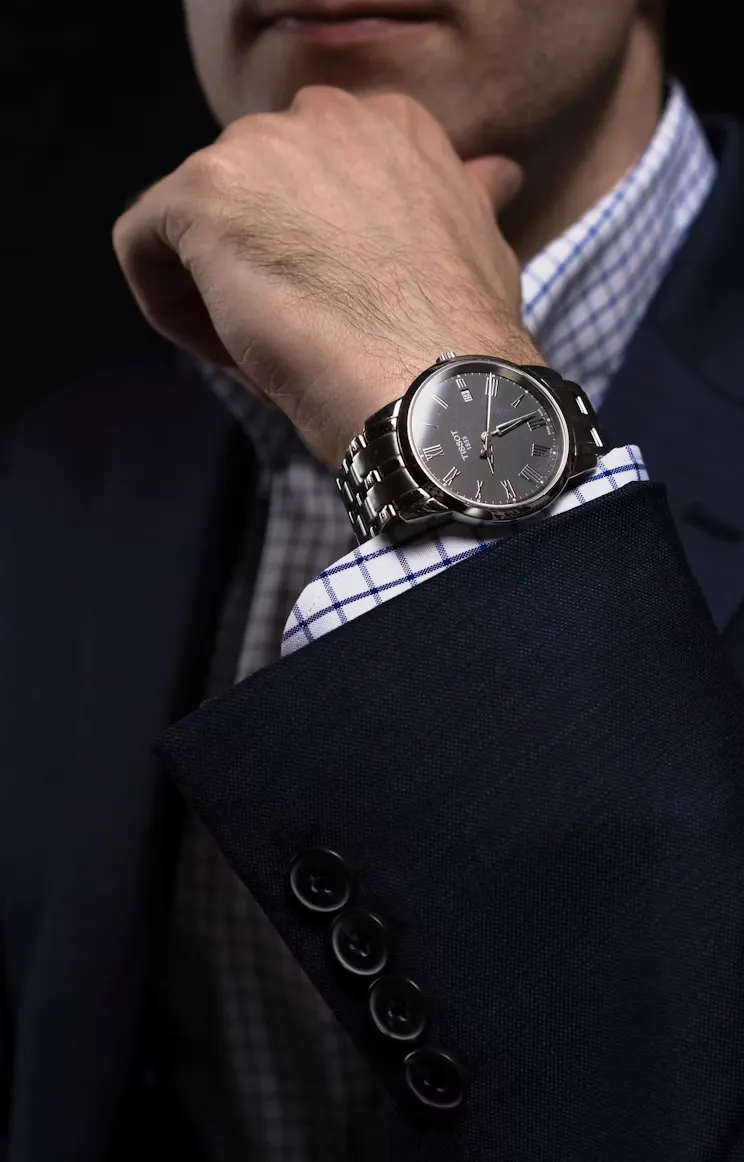
This is why I dislike hard rules like “never buy above 40mm” or “small wrists need 36mm.” Try the watch if you can. If you cannot, look for the lug-to-lug measurement, thickness and wrist shots from people with a similar wrist size. A well-proportioned 42mm watch can wear beautifully. A badly proportioned 39mm one can feel wrong the moment you put it on.
We saw a version of this with the ALBA AX7019X1. On paper, 44mm sounds enormous. It is absolutely a large watch, but the bracelet width and overall case proportions stop it from wearing quite as comically large as the number suggests. The measurement is still useful, it just does not tell the whole story.
2. A Good Dial Is More Than a Nice Colour
The dial is the part you will look at hundreds of times, so it is strange how often watch comparisons reduce it to “blue dial” or “sunburst finish.”
A good dial has hierarchy. Your eyes should know where to go. The hands need enough contrast against the background. Hour markers should make sense with the handset. A date window should either integrate into the design or at least avoid looking like somebody cut a hole in the dial five minutes before production started. Logos, text, subdials and minute tracks all need enough space to breathe.
This becomes more important as a watch gets complicated. Chronographs are a perfect example. Three subdials, a date window, tachymeter markings and a large brand logo can either look wonderfully technical or like a printer ran out of margins. The difference is not the number of features. It is whether somebody actually composed the dial properly.
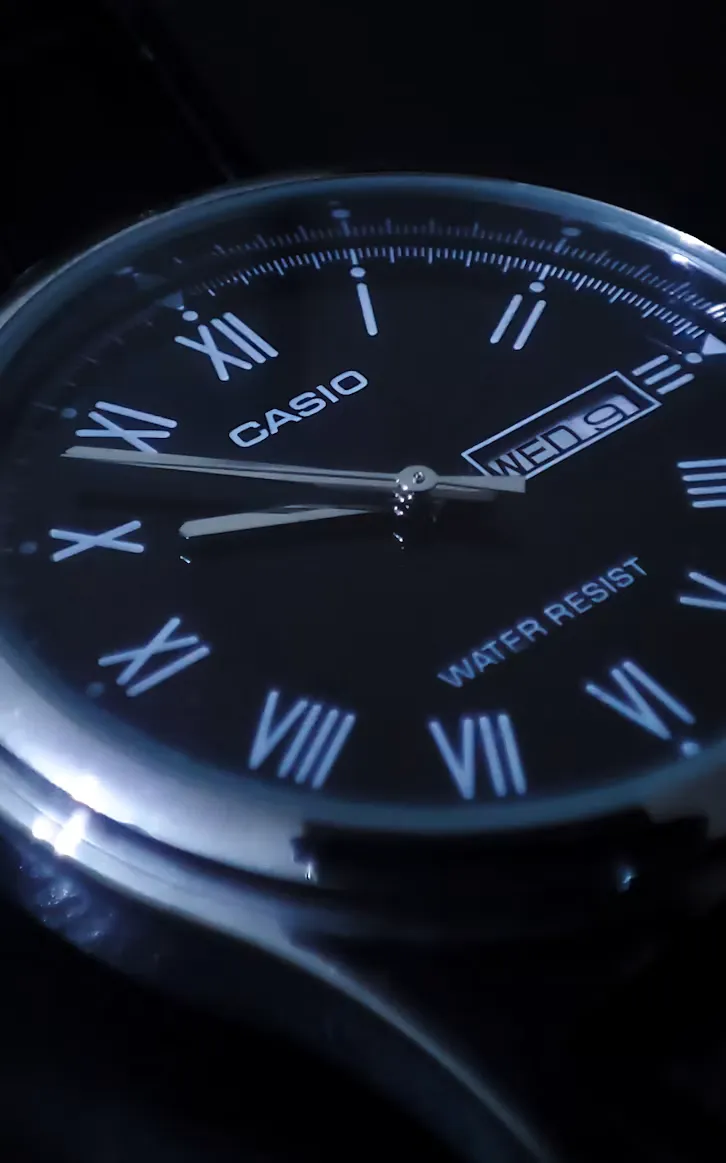
Legibility is part of this too. There are watches that photograph brilliantly because the hands disappear into a matching dial, polished markers explode under studio lights and every surface reflects something interesting. Then you take the watch outside and realise you have to tilt your wrist around just to tell the time. That can be acceptable on a jewellery-first dress watch, but it is a serious flaw on something pretending to be a tool watch.
Character matters as well, although that is harder to put into a table. The koi-pattern dial on my ALBA is a good example. You cannot assign five points to “koi pattern” and compare it against another watch. It simply gives the watch a personality that its specification sheet cannot communicate. That sort of thing is often why one watch ends up getting worn and another technically better one stays in the box.
3. Finishing Is Where the Watch Starts to Feel Expensive
Watch specifications are very good at telling you what a case is made from and not very good at telling you how well that material has been used.
Two watches can both have stainless steel cases and feel completely different in the hand. Look at the brushing. Is it even? Are polished surfaces actually polished cleanly? Are the transitions between brushed and polished areas sharp, or do they blur into each other? Does the bezel line up? Are the case edges deliberate or simply sharp because nobody spent time finishing them?
You do not need haute horlogerie finishing for a watch to be good. Expectations have to match the price. I am not inspecting a ₹3,000 Casio with a loupe and complaining that the bevel does not rival Grand Seiko. But even inexpensive watches can feel thoughtfully made, and expensive watches can disappoint when the basic tactile details do not match the number on the price tag.
The crown is another small giveaway. A crown that is easy to grip, turns cleanly and has a positive feeling when you pull it into each position makes a watch nicer to use every single time you set it. The same applies to chronograph pushers and rotating bezels. None of these details usually get a large box on the product page, but they are exactly the things you notice once the honeymoon period is over.
4. The Bracelet Can Make or Break the Entire Watch
This might be the most underrated part of a watch.
A bracelet is responsible for comfort, fit and a huge part of how expensive a watch feels, yet online comparisons often stop at “stainless steel bracelet.” That description tells you almost nothing. A cheap hollow-feeling bracelet and a beautifully articulated solid bracelet are both stainless steel bracelets.
Look at how freely the links move. Check whether the end links fit the case properly. See how much the bracelet tapers toward the clasp. A little taper can completely change how elegant a watch feels on the wrist. Then look at the clasp itself. Does it feel secure? Does it have enough micro-adjustment? Can you actually get a comfortable fit without being stuck between too tight and too loose?
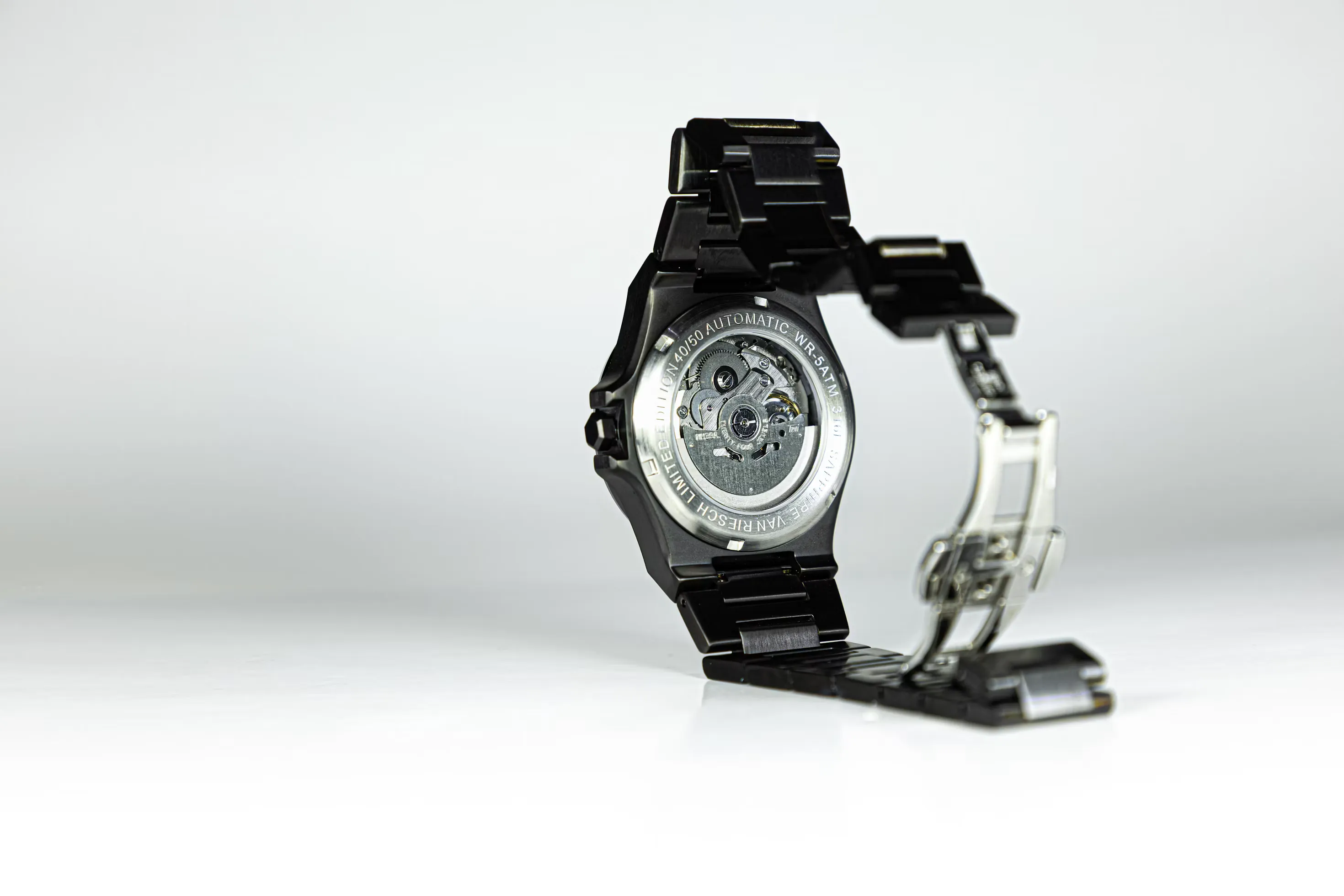
This is one of the places where trying a watch in person pays off. You can read “solid links, milled clasp” online and still dislike how the bracelet drapes around your wrist. Conversely, a fairly simple bracelet can be perfectly good if it is comfortable, sized properly and suits the character of the watch.
The Casio MRW-200H is a great example of price context here. Its resin strap feels cheap. We said exactly that in the review. But when the entire watch can be bought for around the price of a meal, an inexpensive strap is a completely understandable place to save money. Put that same strap quality on a much more expensive watch and the conversation changes.
5. The Movement Should Suit the Watch
Watch enthusiasts love movements, and understandably so. A tiny mechanical machine sitting on your wrist is a fascinating thing. But somewhere along the way, “automatic” started becoming shorthand for “better,” and that is not always helpful.
Quartz is accurate, robust, affordable and wonderfully low-maintenance. Solar quartz takes that convenience even further. Mechanical movements give you something else: engineering you can feel and interact with, a sweeping seconds hand, a rotor moving on your wrist, the ritual of winding and the knowledge that the thing is running through springs and gears instead of a conventional battery-powered quartz circuit.
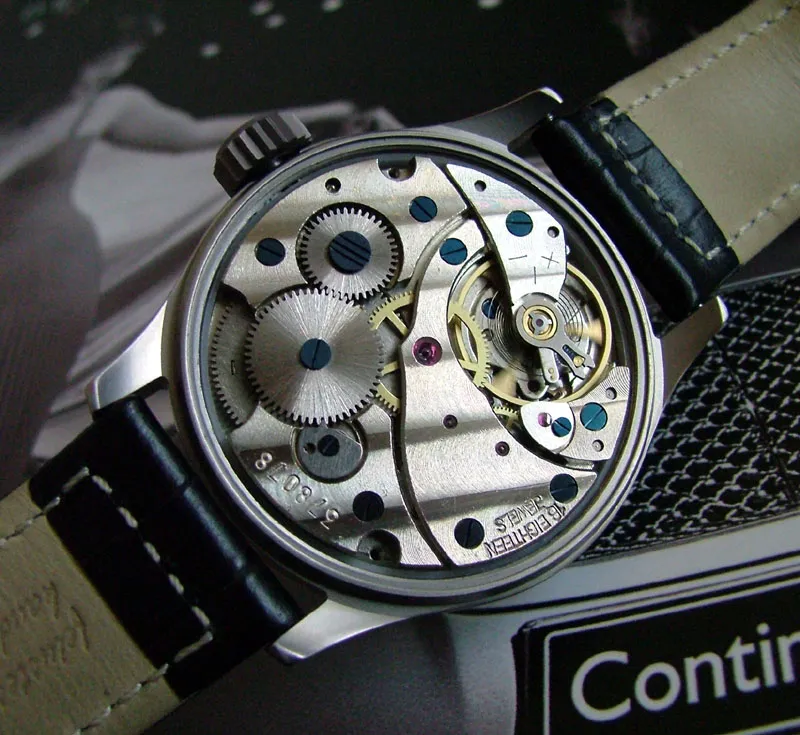
Neither philosophy wins by default.
If I am buying a grab-and-go travel watch that I want to leave in a drawer for two weeks and trust immediately, quartz or solar may genuinely be the better movement for the job. If I am buying my first mechanical watch because I want to experience mechanical watchmaking, then the movement is a major part of the appeal even if it loses time compared with a ₹2,000 quartz Casio.
There are also practical differences between mechanical movements that matter more than a movement name printed in a listing. Power reserve, hand-winding, hacking, serviceability and the availability of parts can all affect ownership. At the same time, beginners should not be made to feel like a watch is worthless because its movement does not tick every enthusiast checkbox. As we discussed in the ALBA guide, somebody buying their first automatic may care far more about enjoying a mechanical watch than whether the seconds hand stops when they pull the crown.
The right movement is the one that makes sense for the watch, the price and the person wearing it.
6. Sapphire Is Great. It Is Still Not the Whole Watch
I like sapphire crystal. Most watch enthusiasts do.
It is extremely resistant to everyday scratching, and at the right price it is a genuinely valuable feature. Casio itself describes the sapphire used on several Edifice models as scratch-resistant, and brands across the market understandably advertise sapphire prominently because it is something buyers actively look for.
But there is a weird point where people start treating mineral crystal as an automatic dealbreaker, even when everything else about the watch is excellent. That is where the checklist starts taking over again.
Crystal choice is a trade-off involving cost, scratch resistance, impact behaviour, shape and optics. Acrylic scratches very easily, but it can be polished and gives vintage watches a warmth that is difficult to replicate. Mineral crystal is cheap and perfectly usable for normal wear. Sapphire is the scratch-resistance king for most mainstream watches, but even then the implementation matters.
Anti-reflective coating is a good example. A very reflective sapphire crystal can make a dark dial difficult to read outdoors and can spend half its life acting like a tiny mirror. A well-executed crystal with good internal anti-reflective treatment can make the dial appear almost exposed to the air. The material is important, but what the manufacturer does with it is just as important.
This is also why I would not dismiss a watch I genuinely love simply because it has mineral glass. I would factor it into the price, decide whether scratches bother me, and judge the whole watch. If two otherwise equal watches cost the same and one gives me sapphire, of course I will take sapphire. Watches are just rarely that equal.
7. Water Resistance Needs Context, Not Just a Bigger Number
Water resistance is probably the most misunderstood specification in the entire watch industry.
The first problem is the number itself. A watch marked “30 metres” is not necessarily a watch you should take 30 metres underwater. Water resistance ratings are based on controlled pressure testing, and real use introduces movement, temperature changes, ageing seals and other variables. Casio’s own water-resistance guidance explicitly points out that metre markings represent test pressure rather than a simple promise that you can use the watch at that exact depth.
The second problem is even more important: brands do not all translate the same-looking rating into the same usage advice.
Tissot’s official guidance says a 3 bar / 30 metre watch is suitable for hand washing, while swimming does not appear until 10 bar / 100 metres in its chart. Seiko similarly says a watch marked for everyday water resistance at 3 bar is not suitable for swimming, while its 5 bar watches are suitable for swimming.
Then look at Suunto. The Suunto Core Alpha is rated to 30 metres, yet Suunto explicitly lists it for snorkelling down to 10 metres and even includes a depth meter. Same headline number, very different intended use.
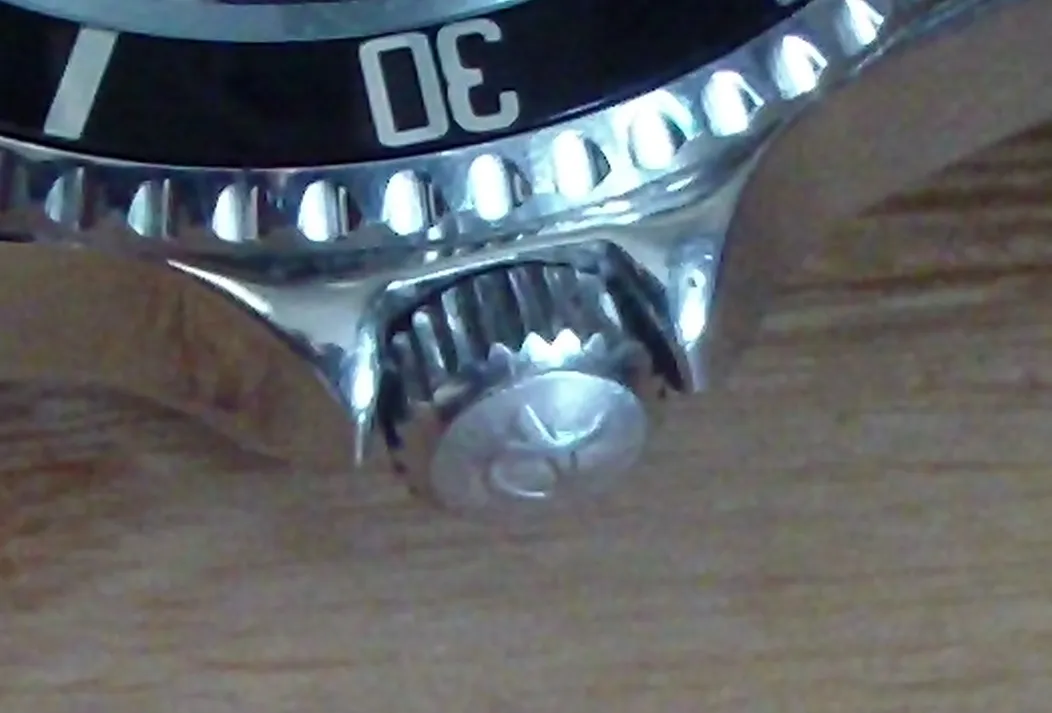
That is why I would never use a generic internet chart as the final word on whether a watch is safe for swimming. Check what the manufacturer says for the actual model, ideally in the manual or on its official support page. “30m means splashes, 50m means swimming, 100m means everything” is convenient advice, but watch brands themselves do not apply those labels consistently enough for that to be a universal rule.
There are a few habits that are sensible regardless of the rating. Do not operate the crown underwater unless the manufacturer specifically says the watch is designed for that. Make sure a screw-down crown is actually screwed down before getting into water. Remember that seals age, so water resistance is not necessarily permanent. And if a watch is old, recently opened for service or has taken a serious knock, do not assume the rating printed on the dial or caseback is still guaranteed.
For a dress watch, 30 metres may be completely acceptable. For something I am buying specifically for swimming, I want a rating and manufacturer guidance that clearly supports swimming. For diving, I want a watch designed and specified for diving. Context matters far more than simply choosing the biggest number you can afford.
Official references: Tissot water-resistance guide, Seiko water-resistance guidance, Suunto Core Alpha specifications, Casio water-resistance guide.
8. The Tiny Details Are Usually What You Remember
Once the obvious specifications are out of the way, small details start carrying a surprising amount of weight.
Does the seconds hand hit the markers on a quartz watch? Is the chapter ring aligned? Does the date wheel match the dial colour, or does a bright white square sit in the middle of an otherwise dark design? Is the lume evenly applied? Does the bezel have play? Is the signed crown actually nice to use, or is it just signed because that sounds premium in the description?
None of these things necessarily kills a watch on its own. Our MRW-200H had seconds-hand misalignment, a very cheap strap and fairly basic finishing. We still loved it because the watch cost so little and got so much else right. Price changes the severity of every complaint.
But as the price rises, the tolerance shrinks. If I am spending serious money, I do not want to discover that the bracelet end links rattle, the bezel is visibly misaligned or the clasp feels like an afterthought. A premium watch should feel considered in places the marketing page never mentions.
This is also why real ownership impressions matter. A specification sheet can tell you the case thickness. It cannot tell you that the crown digs into your wrist after four hours, that the clasp is annoyingly difficult to open, or that the polished hands vanish against the dial in office lighting. Those are the things reviews are supposed to add.
9. Price Changes What “Good” Means
There is no single standard for a good watch because a ₹2,000 watch and a ₹2,00,000 watch are not trying to solve the same problem.
At the inexpensive end, value often comes from reliability, design and making sensible compromises. The best watches under ₹3,000 are not good because they secretly contain luxury-watch finishing. They are good because brands like Casio and Timex manage to give you something reliable, wearable and interesting for very little money.
Move into the ₹10,000 to ₹20,000 range and expectations change. Stainless steel construction becomes more common. Sapphire appears more often. Better bracelets, solar movements and affordable automatics enter the conversation. A flaw that is easy to forgive at ₹3,000 may become irritating at ₹15,000 because competitors prove that it can be done better.
Go higher again and specifications alone start becoming even less useful. Almost every serious watch can give you “stainless steel, sapphire, automatic.” At that point you are paying for movement development, case finishing, dial work, bracelet construction, history, design, manufacturing complexity and, yes, sometimes the name on the dial.
This is why value does not mean “most specifications per rupee.” Our fun Japanese watches under ₹50,000 guide includes watches for very different reasons. Some are there because the engineering is impressive, some because the design is fantastic, and some because they offer a kind of personality that is difficult to find elsewhere.
A watch only needs to justify its own price, not win every spreadsheet.
10. The Best Watches Feel Intentional
This is the hardest thing to quantify and probably the most important.
A really good watch feels like somebody knew what they wanted it to be.
A field watch should be easy to read. A diver should feel secure, legible and genuinely comfortable around water. A dress watch should not be punished because it lacks 200 metres of water resistance. A fun retro digital watch does not need to pretend it is a piece of haute horlogerie. A ₹800 Casio can be brilliant precisely because it knows exactly what job it has.
The problems start when the choices fight each other. A huge sports case with a tiny movement and awkward date placement. A supposedly elegant watch that is 15mm thick for no good reason. A rugged outdoor watch on a clasp with barely any adjustment. A “premium” watch where all the money appears to have gone into sapphire and an automatic movement while the bracelet feels like an afterthought.
This is where the word “coherence” matters. The movement should suit the design. The dimensions should suit the purpose. The finishing should suit the price. The bracelet or strap should suit the weight of the case. The dial should look like one design rather than six attractive ideas squeezed together.
When all of that lines up, the watch tends to feel better than its individual specifications suggest.
The Wrist Journal Test
So when we look at a watch, these are the six things I think matter most.
1. Design: Does it have an identity, and does the dial actually work as a whole?
2. Proportions: Does it wear well, not just measure well?
3. Finishing: Are the case, dial, hands, crown and tactile elements executed properly for the price?
4. Movement suitability: Is the movement a good choice for what this watch is supposed to do?
5. Wearability: Is the bracelet or strap comfortable, adjustable and appropriate for the watch?
6. Value at its Indian price: Not its US price, not its converted Japanese price, and not the price somebody got during a once-a-year clearance sale. Is it good value for what an Indian buyer can realistically pay for it?
That last point is important for The Wrist Journal because India often gets different pricing, different model availability and different discounts from other markets. A watch can be a fantastic recommendation at $200 in the US and make very little sense at ₹30,000 here. The opposite can happen too.
I do not think these six points need to become another rigid scoring system. That would defeat the whole purpose. They are simply a way to ask better questions than “does it have sapphire?” or “is it automatic?”
So, What Makes a Watch Good?
A good watch gets the important things right for the kind of watch it wants to be.
Sometimes that means sapphire, 200 metres of water resistance and an automatic movement. Sometimes it means a simple quartz movement, mineral crystal and proportions that make you smile every time you put it on. Sometimes the bracelet is the reason a watch feels far more expensive than it is. Sometimes one beautiful dial is enough to make you forgive a specification that looked disappointing online.
Specifications still matter. We will keep listing them in our reviews and buying guides because they are useful information. But they are the beginning of the conversation, not the verdict.
The next time you compare two watches, look at the spec sheets. Then close them for a minute and look at the watches.
Which one has better proportions? Which dial would you actually want to look at every day? Which one makes more sense for how you live? Where has the manufacturer spent the money, and where has it compromised? Most importantly, does the whole thing feel like it was designed as one watch rather than assembled from a checklist?
That is usually where the better watch is hiding.
If you are shopping right now, our Best Watches Under ₹10,000 guide is a good place to see these trade-offs in the real world, while the Where to Buy Watches in India guide covers authorised stores, marketplaces and importing. For something more rugged, see our Best Outdoor Watches guide.
Got a watch that is terrible on paper but brilliant on the wrist, or the exact opposite? Come tell us on r/thewristjournal.